Designing Cortex meant building both the product and its foundation at the same time. There was no existing design system, no established UX patterns, and limited domain knowledge at the outset. The work required learning the ITSM space while simultaneously shaping how the product should function, feel, and be understood.
ITSM workflows are inherently complex. They involve layered logic, multiple systems, and strict requirements around accuracy and compliance. The challenge was not only making these workflows usable, but making them understandable to users who may not fully grasp the system yet. At the same time, the product needed to communicate trust and precision, since users are configuring systems that impact real operational processes.
The design work focused on reducing that complexity without oversimplifying it.
A core part of this was the creation of a visual workflow builder. Instead of relying on dense configuration forms, workflows are constructed through a drag-and-drop canvas that reflects how tasks connect and execute. Layout, spacing, and hierarchy were used intentionally to make relationships between steps clear, allowing users to understand structure at a glance rather than parsing through text-heavy interfaces.
To support this, a contextual sidebar system was introduced. Rather than forcing users to leave the workflow to configure details, actions and settings are surfaced alongside the canvas. This keeps users oriented within the workflow while still giving them access to the depth required for configuration.

The product also needed to handle a wide range of systems and data types. Cortex connects to multiple ITSM platforms and business applications, each with different structures and expectations. The interface had to communicate this flexibility while still feeling consistent and predictable.
Connection setup was designed as a guided, multi-step process. Instead of exposing all configuration at once, the flow breaks setup into manageable stages: naming, authentication, and data selection. This reduces cognitive load while maintaining transparency around what is being configured.
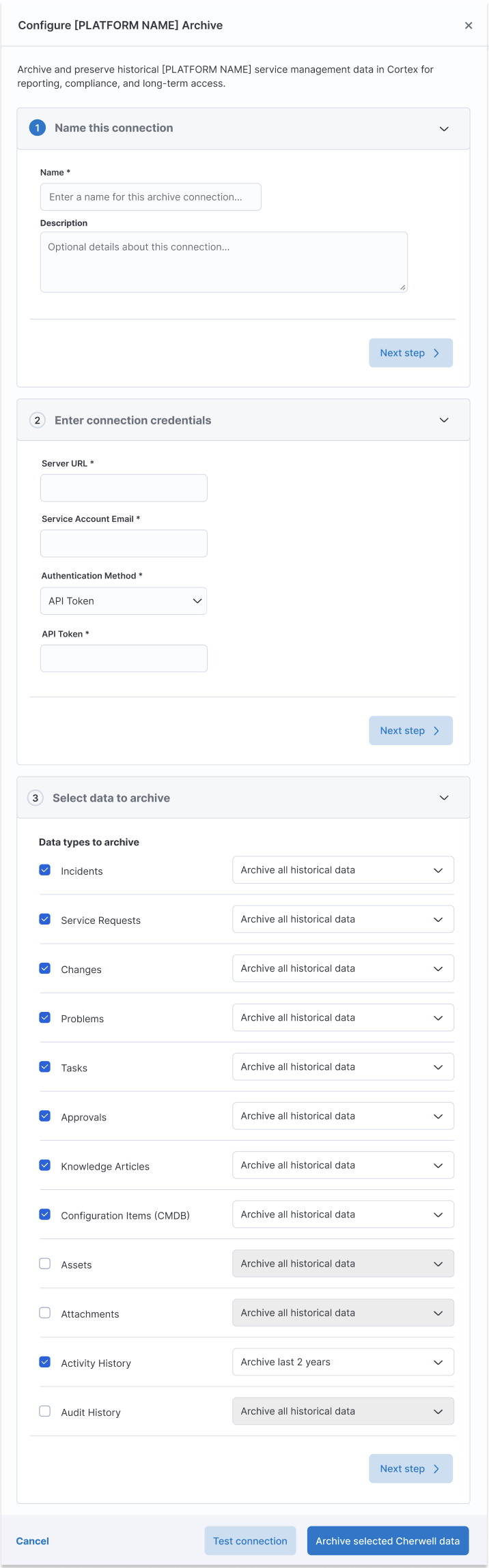
Data selection was another area where clarity and control were critical. Users needed to define what data to archive and how long to retain it, often across many different data types. The design emphasizes structure and readability, pairing selection controls with retention policies in a way that makes decisions explicit without overwhelming the user.
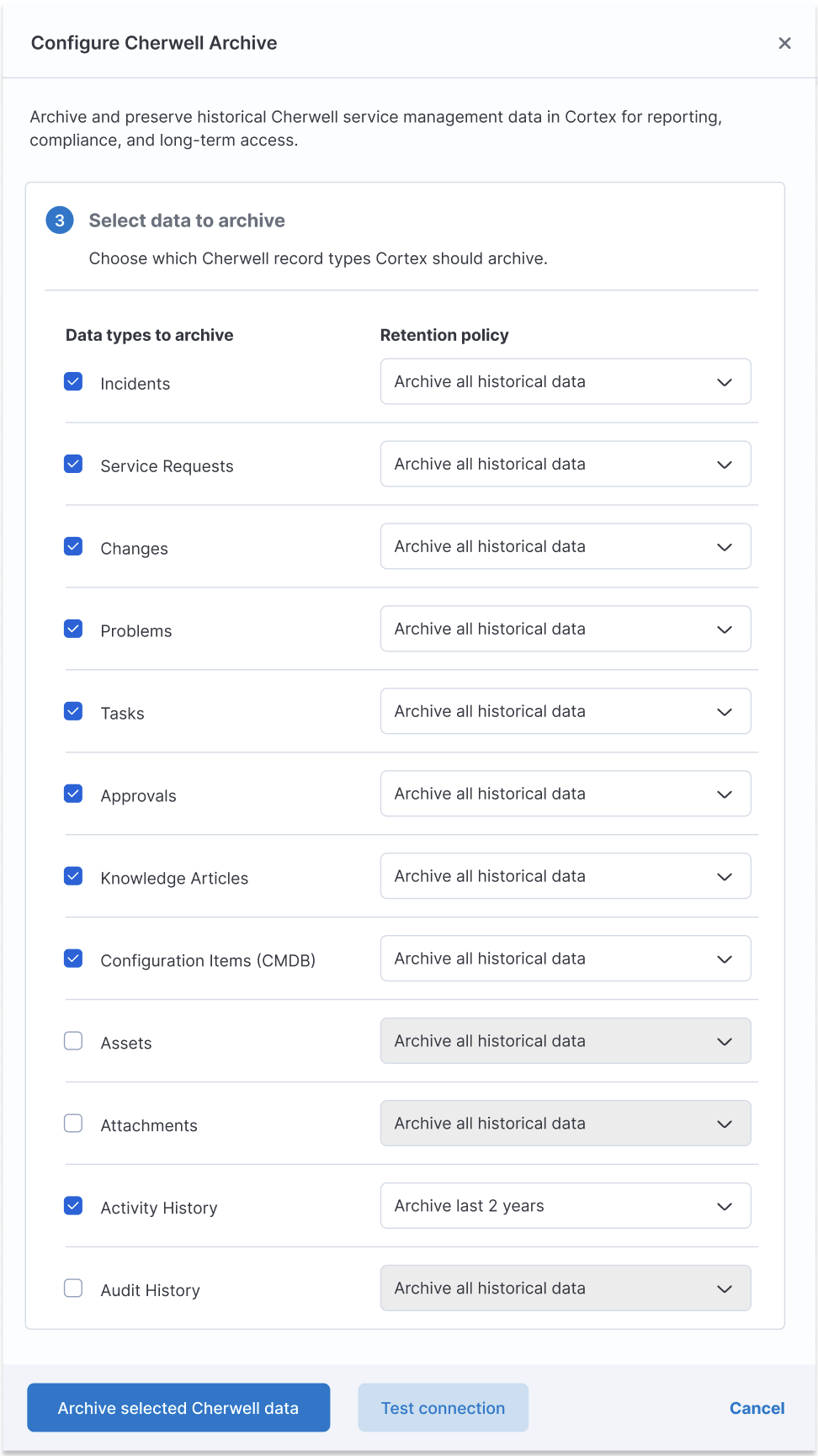
Beyond the core product, the work expanded into defining the system as a whole. This included navigation, interaction patterns, and a visual language that could scale with the product. Consistency became essential, not just for usability, but for building trust in a system handling sensitive operational data.
At the same time, the product needed a clear external presence. The marketing site was designed to translate complex functionality into a narrative that communicates value quickly. The focus was on clarity and credibility, avoiding overly technical explanations while still respecting the user’s expertise.
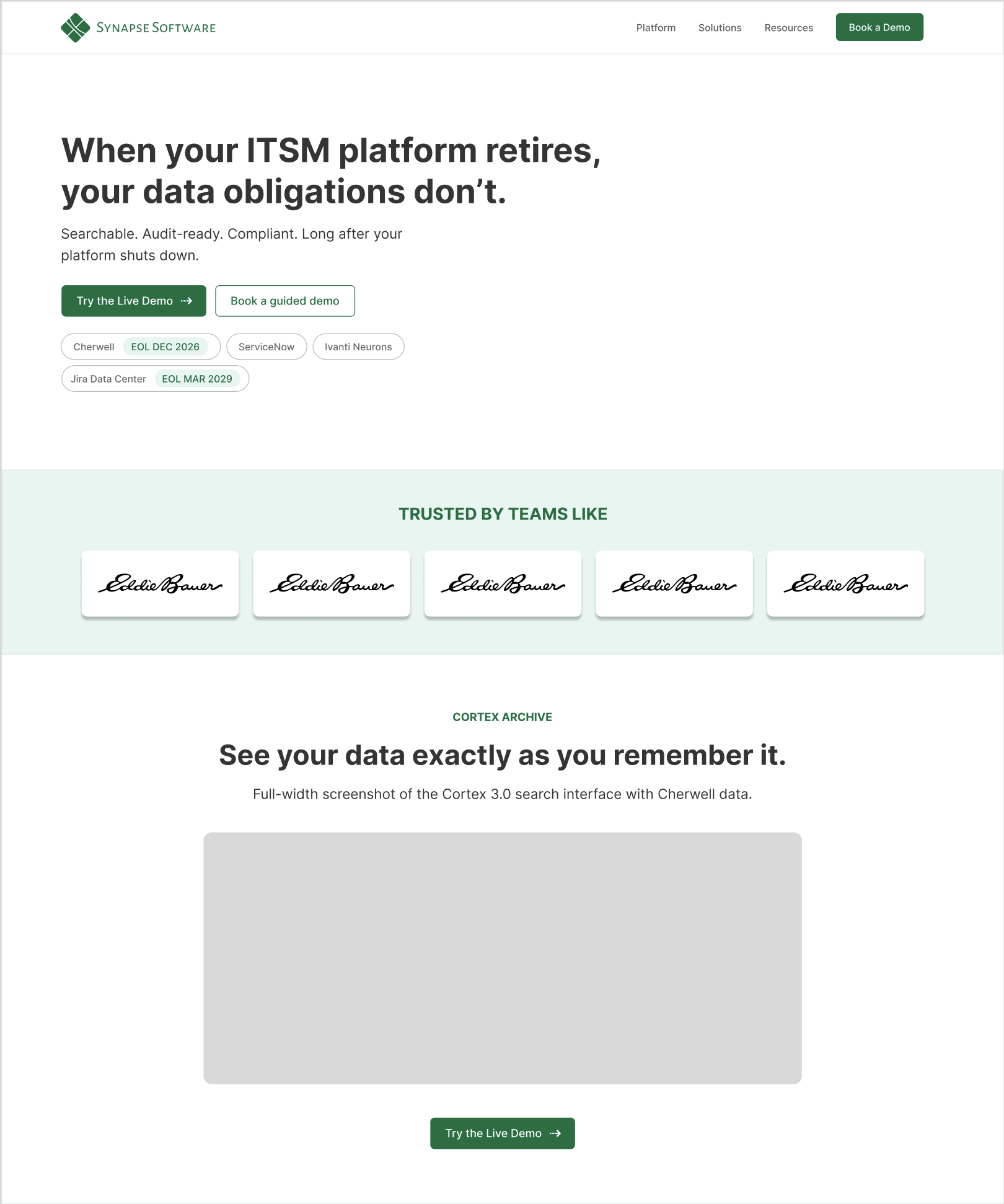


Brand and visual identity were developed alongside the product. This included logo design, UI styling, and supporting materials that create a cohesive experience across product and marketing surfaces.
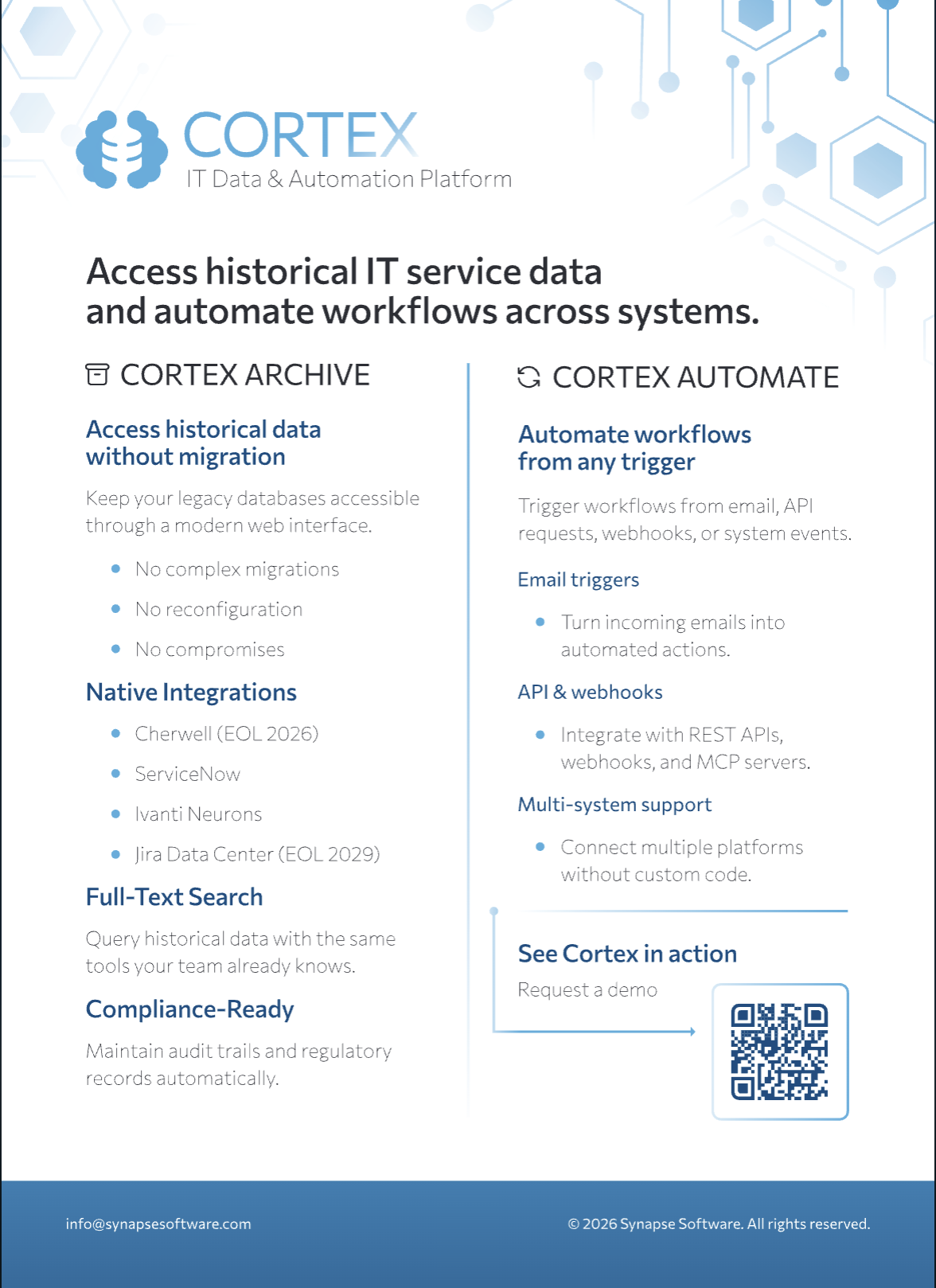
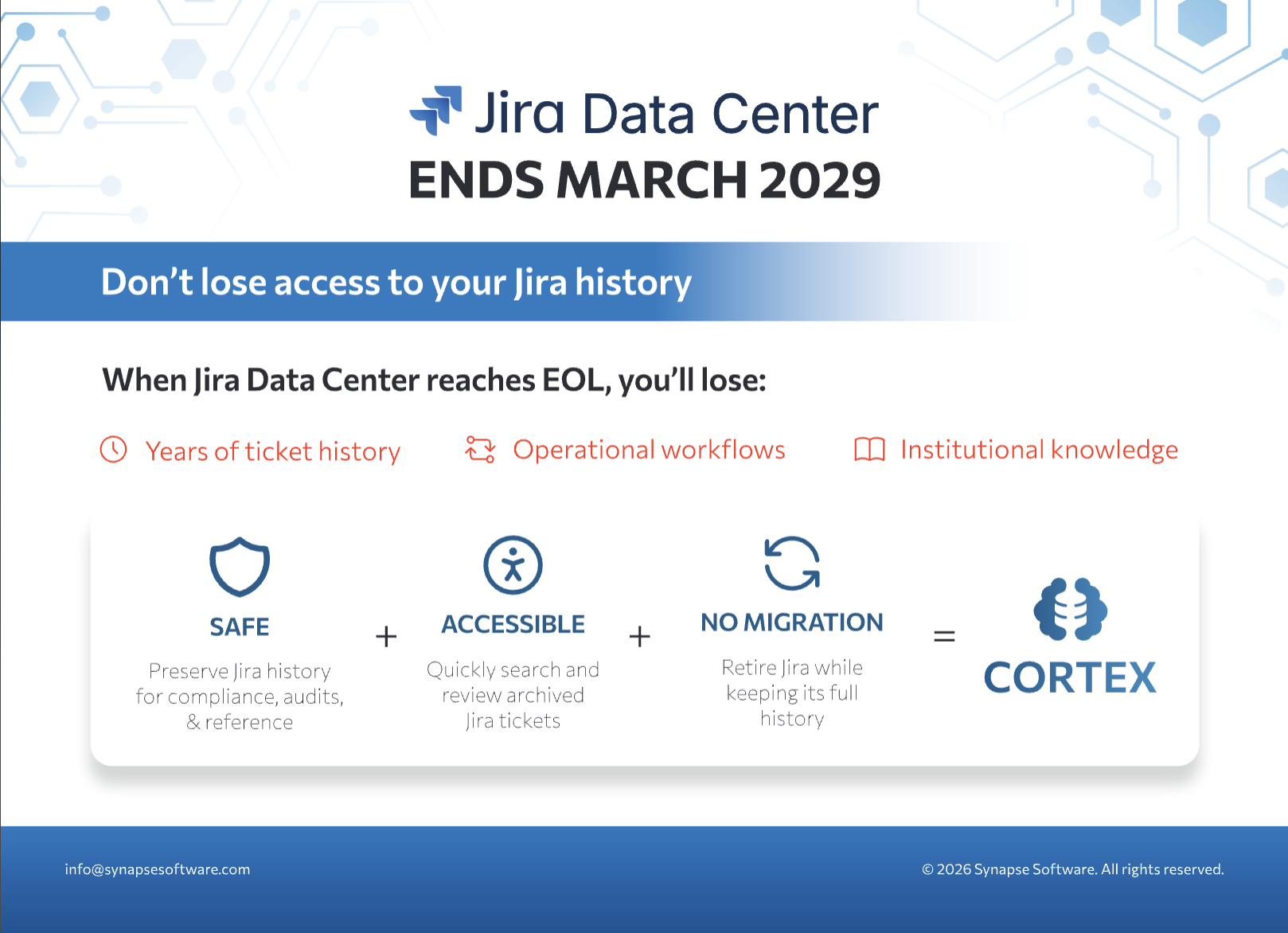
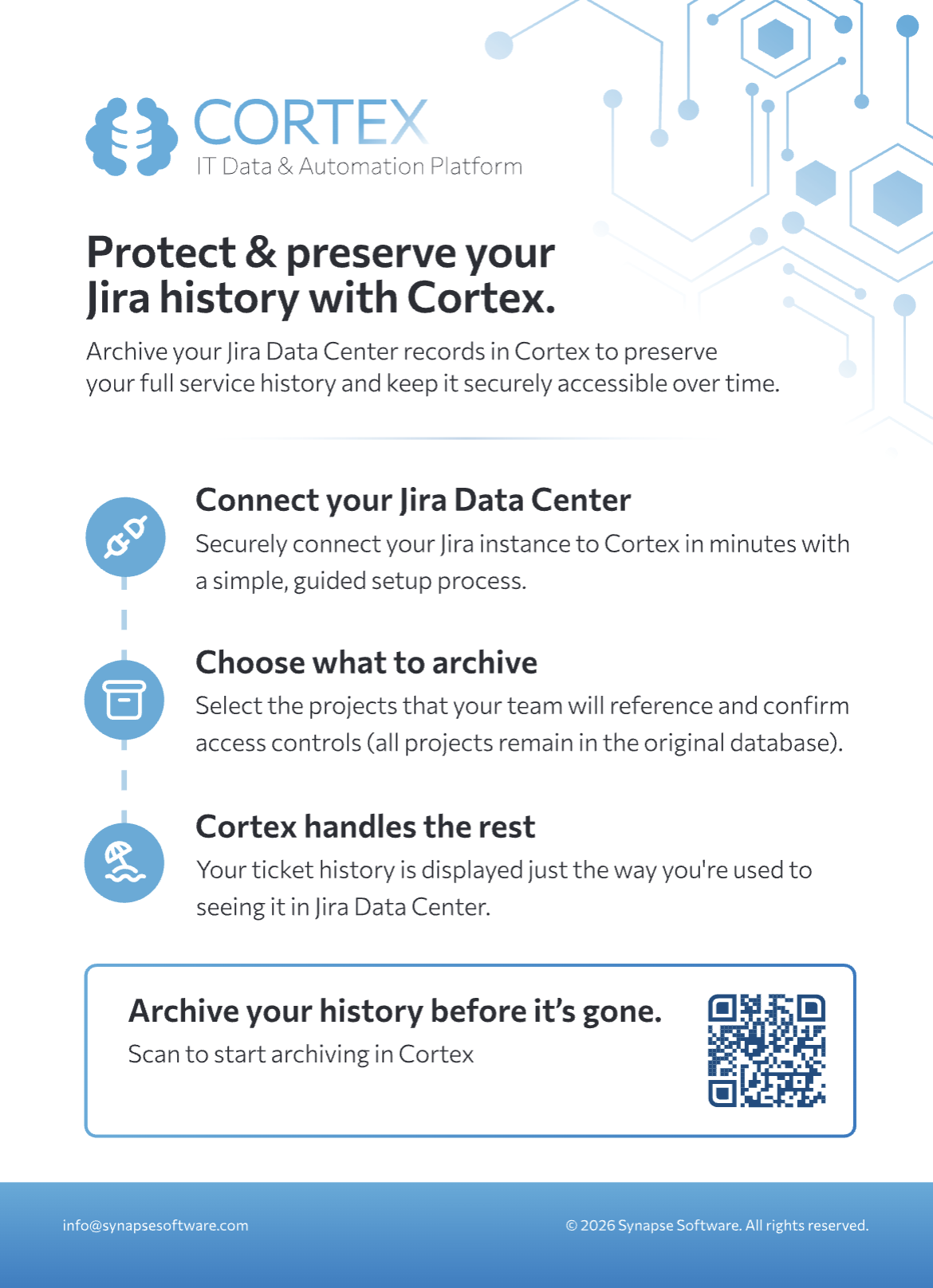
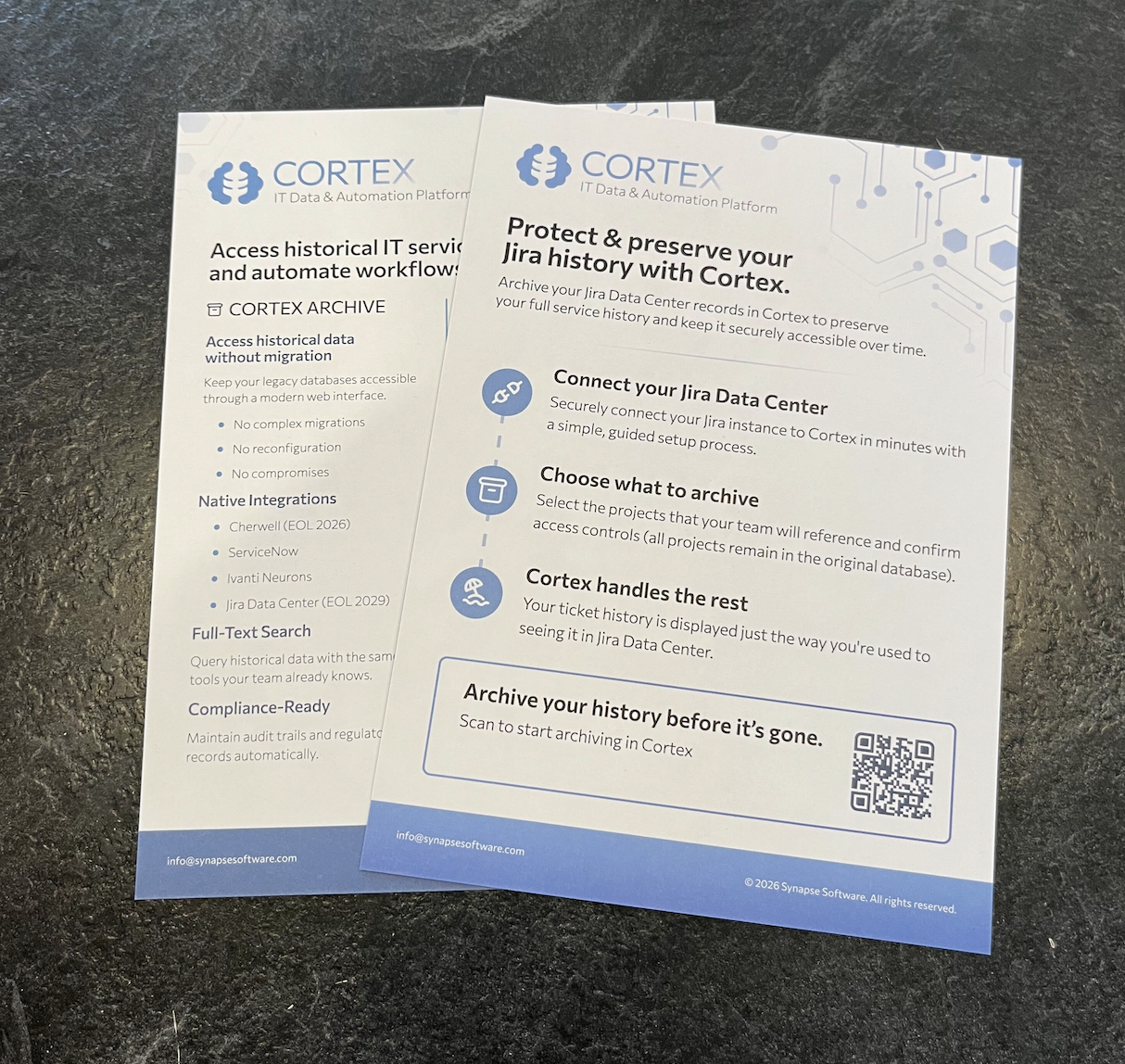
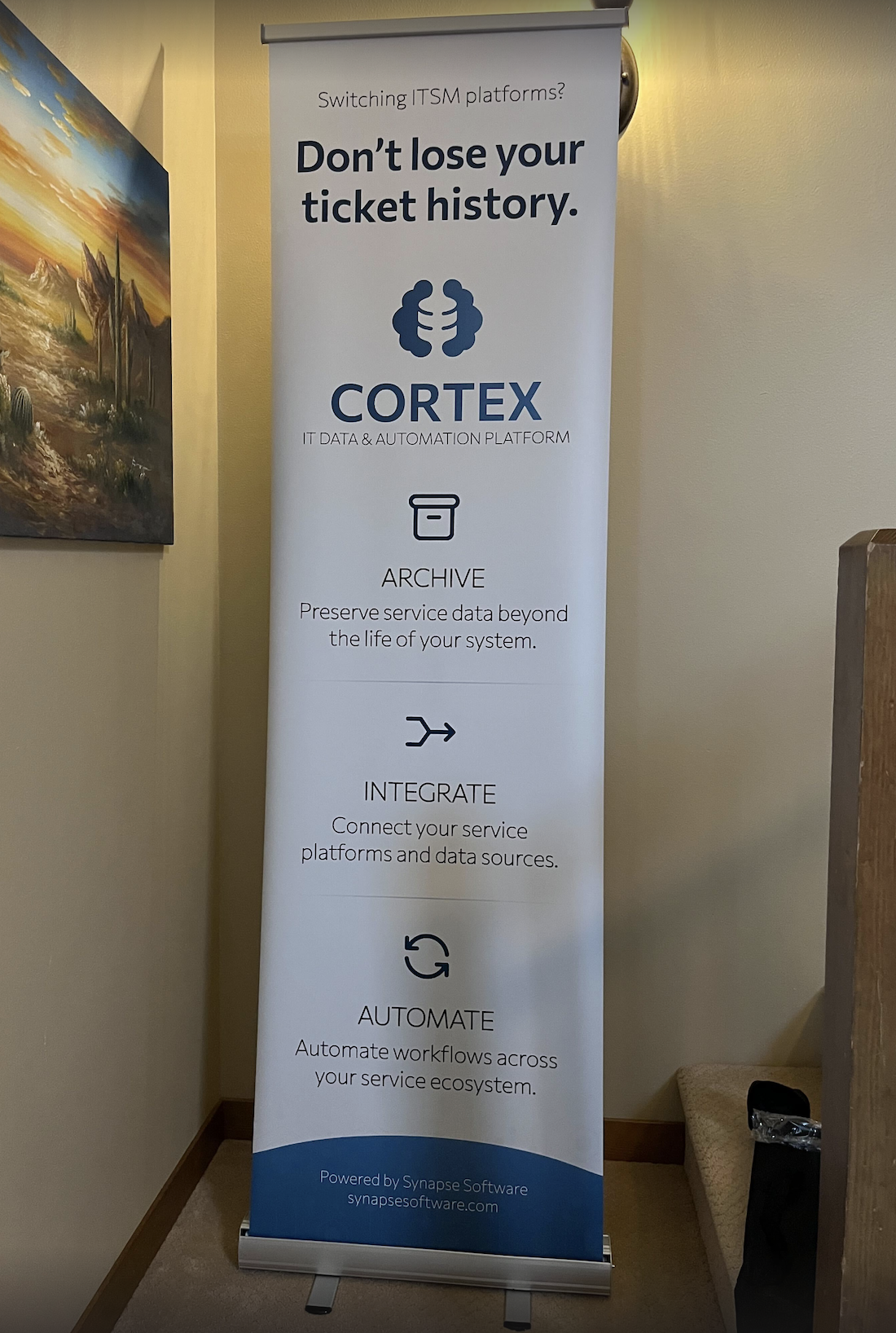
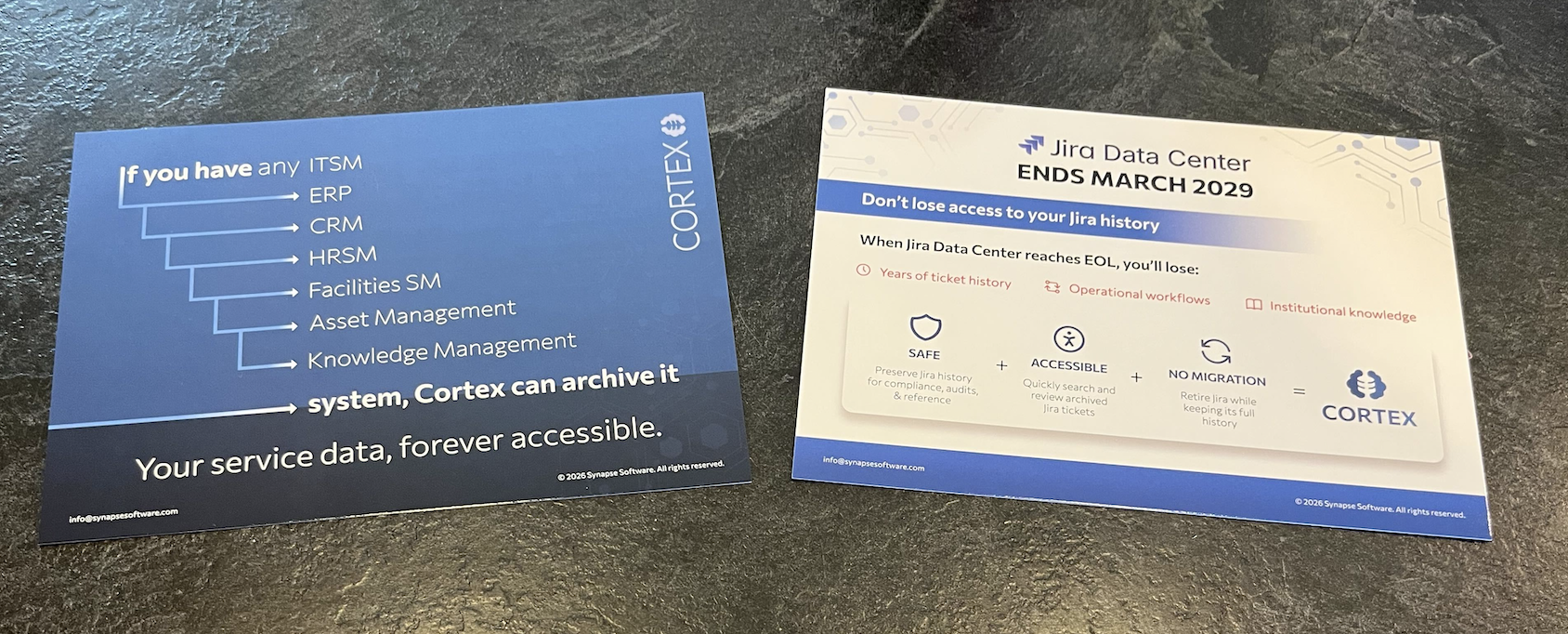
This extended into physical materials for the company’s first trade show presence. The goal was to communicate the product quickly in a physical environment, using hierarchy and messaging to make the value proposition immediately clear.
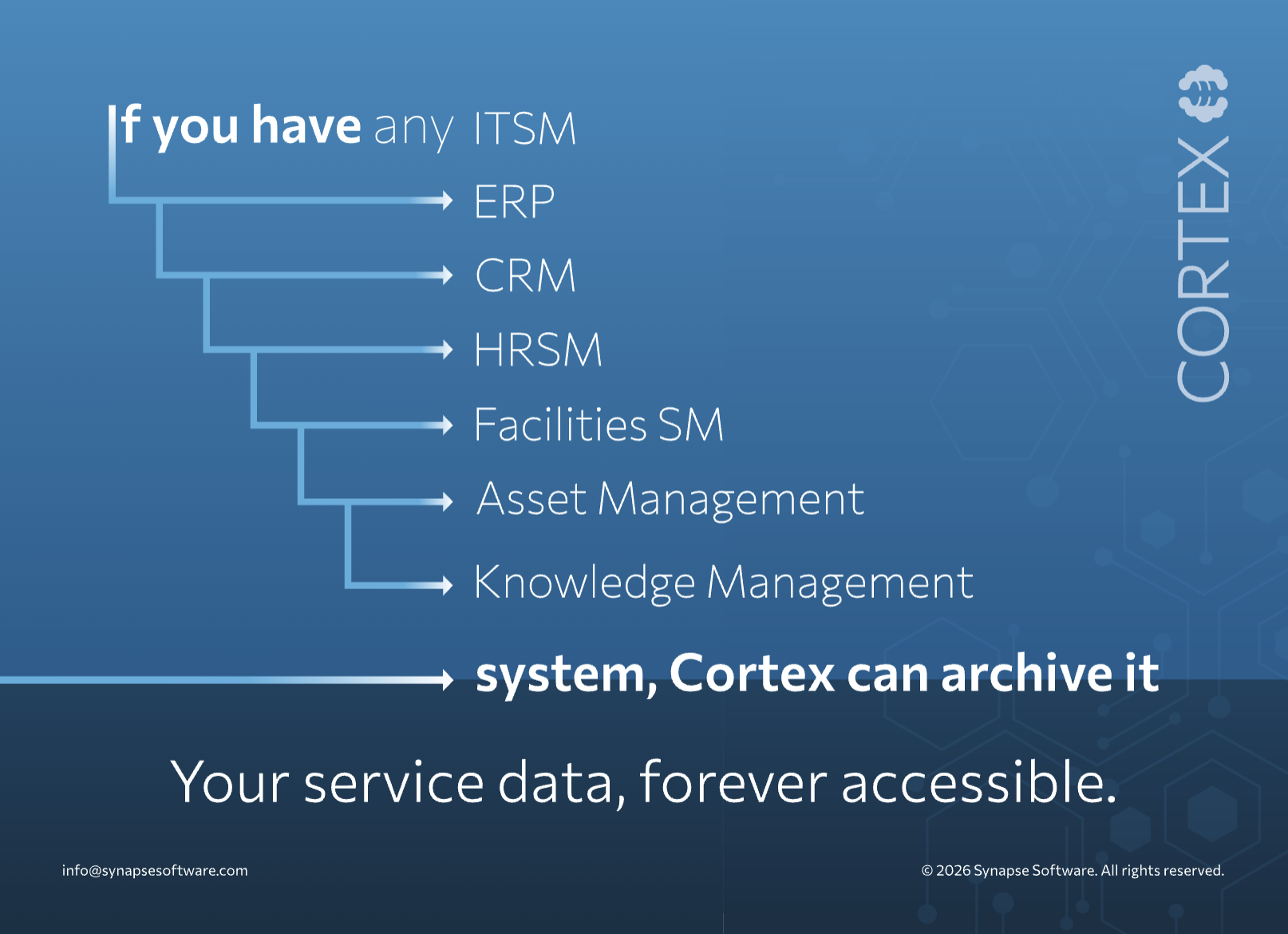
Across all of this work, a consistent set of principles guided decisions.
Clarity over complexity.
The system needed to be understandable before it could be powerful.
Structure over density.
Complex workflows were made legible through layout and hierarchy instead of reduction.
Guidance without interruption.
Users are supported through contextual interfaces rather than forced navigation.
Consistency as trust.
A unified visual and interaction language reinforces reliability across the product.
The result is a 0→1 product foundation that supports both usability and scale. The system makes complex ITSM workflows more approachable without removing the depth required for real-world use. At the same time, the brand, website, and supporting materials create a cohesive experience that communicates the product clearly across contexts.
The work is ongoing, with continued expansion into front-end implementation and refinement of interaction patterns as the product evolves.
Take a look at my resume!